Understanding the Differences: Digital Marketing vs. Traditional Marketing


Introduction to Marketing Channels
In today's fast-paced world, businesses have a plethora of marketing channels at their disposal. The choice between digital marketing and traditional marketing can significantly impact a company's reach and effectiveness. Understanding these differences is key to crafting a successful marketing strategy.
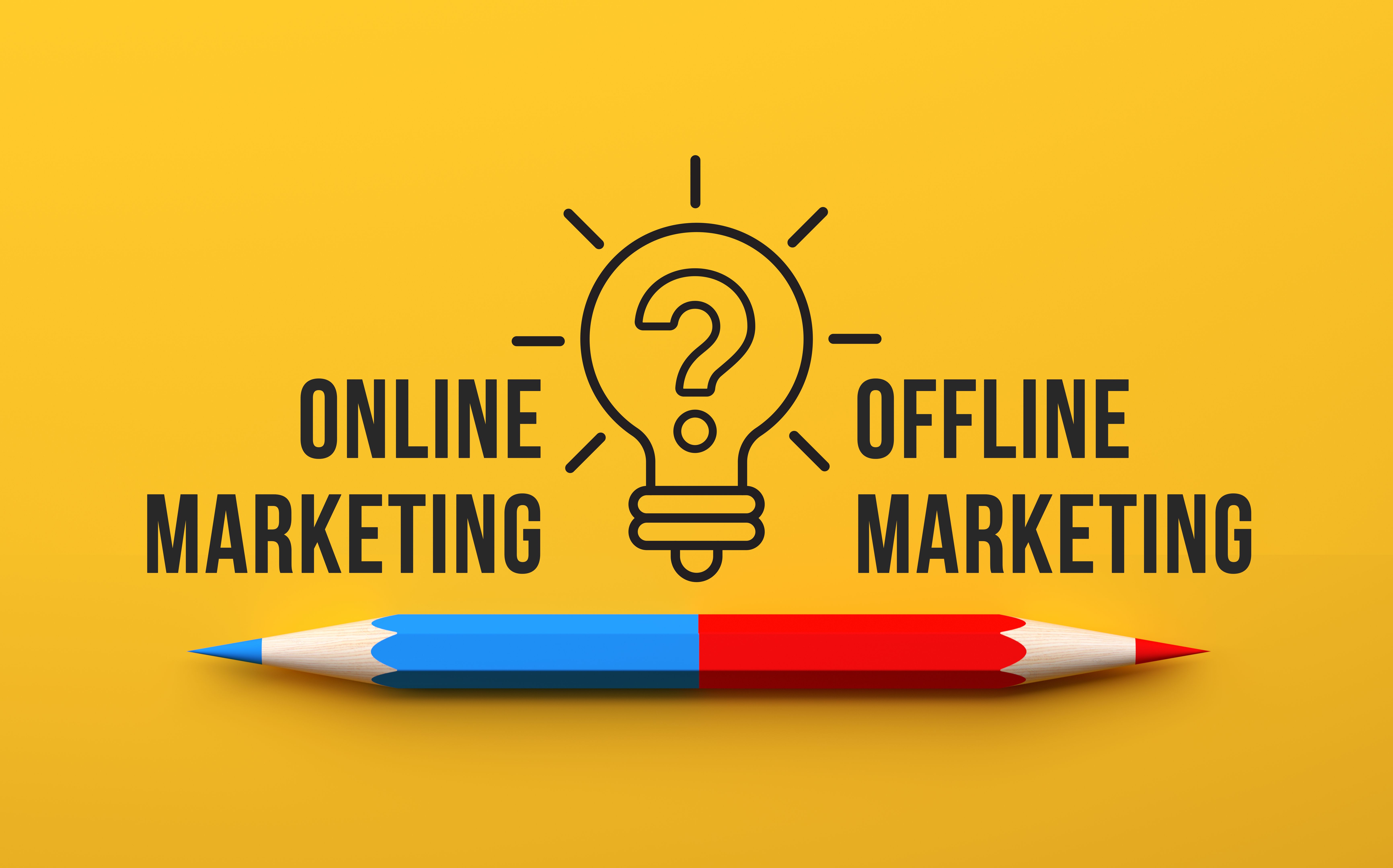
Traditional marketing encompasses classic avenues such as print, radio, TV, and direct mail. These methods have been the backbone of advertising for decades. On the other hand, digital marketing leverages online platforms, including social media, email, and search engines, to reach audiences. Both have unique advantages and challenges.

Understanding Traditional Marketing
The Reach of Traditional Marketing
Traditional marketing channels have a broad reach, often targeting local audiences effectively through newspapers, billboards, and radio ads. These methods are tangible, providing physical materials that consumers can touch and keep. This can create a lasting impression and foster brand loyalty.
Challenges with Traditional Marketing
Despite its benefits, traditional marketing can be costly and less targeted. Companies often have to invest significantly without the guarantee of reaching their specific audience. Measuring returns on investment (ROI) can also be challenging, making it harder to adjust strategies dynamically.
Exploring Digital Marketing
The Power of Digital Marketing
Digital marketing offers unparalleled opportunities for precise targeting. Using data analytics, businesses can tailor their campaigns to specific demographics, interests, and behaviors. This level of personalization can lead to higher engagement rates and better conversion.
Cost-Effectiveness and Flexibility
One of the greatest advantages of digital marketing is its cost-effectiveness. Smaller budgets can be effectively utilized to reach a global audience, and campaigns can be adjusted in real-time based on performance metrics. This flexibility allows for continuous optimization and adaptation.
Comparing Metrics and Measurement
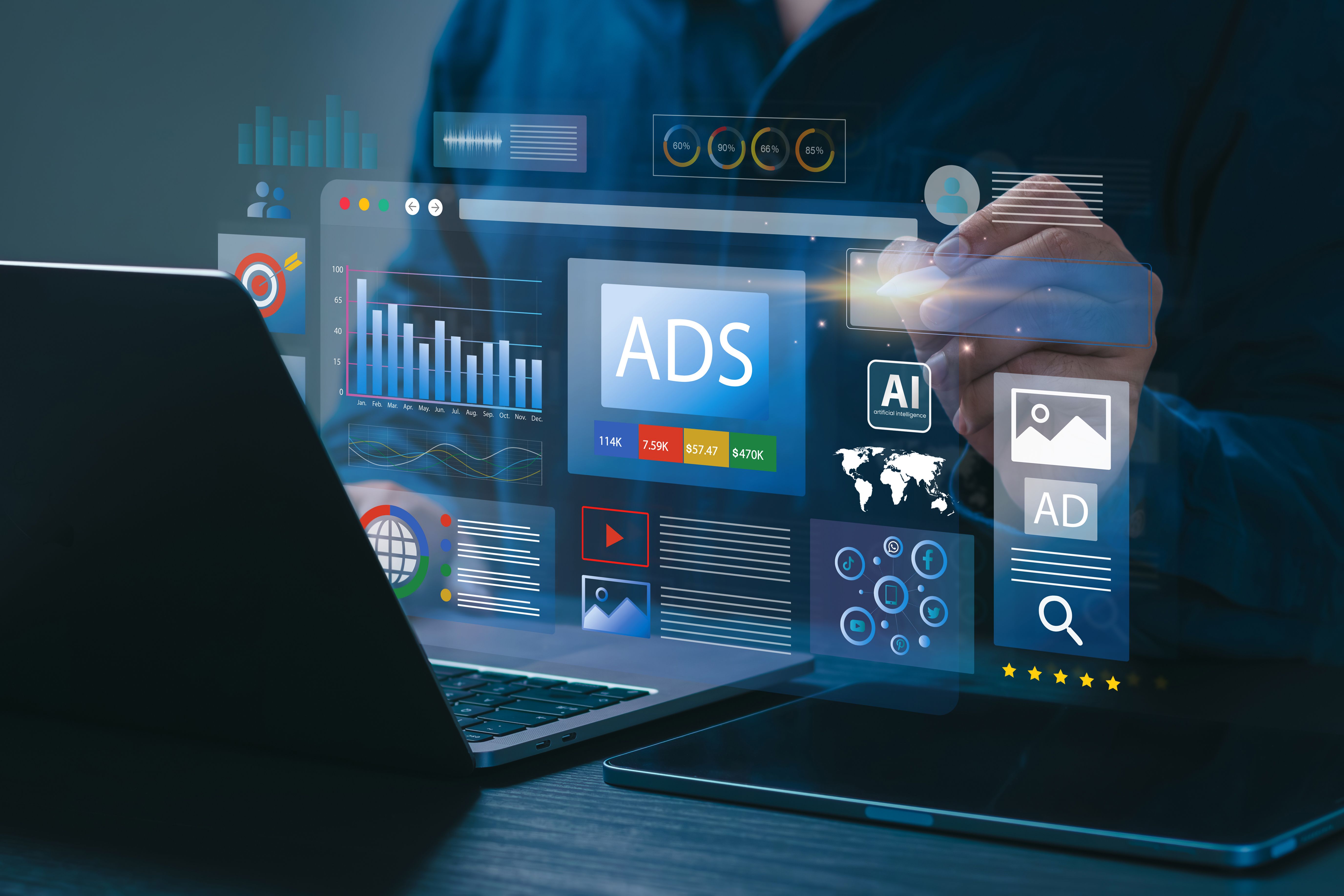
One of the starkest differences lies in how each type of marketing measures success. Digital marketing provides detailed analytics, offering insights into user behavior, engagement, and conversion rates. This data-driven approach facilitates informed decision-making and strategy refinement.
In contrast, traditional marketing relies more on indirect indicators such as foot traffic and customer feedback, which can be less precise. However, when combined with digital efforts, it can provide a more holistic view of a campaign’s impact.
Conclusion: Choosing the Right Mix
The decision between digital and traditional marketing should align with a company’s goals, budget, and target audience. Often, the most effective strategy involves integrating both approaches to leverage their respective strengths. By understanding the differences, businesses can create a comprehensive marketing plan that maximizes their reach and impact.